
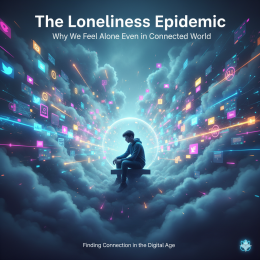
The Loneliness Epidemic: Why We Feel Alone Even in a Connected World
2025-12-02 16:12:39In an age where we can message someone across the world in a second, loneliness should be rare - yet it's becoming one of the biggest mental-health challenges of our generation. Today, people share more posts than conversations, more selfies than emotions, and more status updates than genuine connection. We live in a world that is digitally crowded but emotionally empty.
Loneliness isn't just "being alone." It's the painful gap between the connection we want and the connection we actually feel. And studies show that chronic loneliness affects the brain the same way physical pain does. No wonder experts now call it a global mental-health epidemic.
Why Are We Feeling More Lonely Than Ever?
1. We Have More Digital Connections, But Fewer Emotional Bonds
Social media gives the illusion of closeness - likes, comments, DMs - but these interactions rarely provide the warmth, trust, and depth real relationships require.
We are always "online," but rarely present.
2. Modern Life Is Fast, Competitive, and Isolating
Everyone is busy chasing goals, deadlines, and stability.
The result?
Conversations become shorter, relationships become optional, and emotional needs go overlooked.
3. Comparing Ourselves Makes Us Withhold Our Truth
Platforms show curated happiness, perfect lives, smiling faces.
So, people hide their struggles - making loneliness feel like a personal failure instead of a shared human experience.
4. We're Losing the Art of Slow, Meaningful Connection
Instant replies, quick texts, and voice notes have replaced deep conversations, long walks, and thoughtful discussions.
The mind starves for emotional nourishment in a rush-filled world.
5. Urban Lifestyle = Minimal Community Support
Earlier, families lived together, neighbours checked in, and society was built on bonds.
Today, independence is celebrated - but often at the cost of emotional connection.
How Loneliness Affects Mental Health
Loneliness doesn't just hurt emotionally - it affects the entire mind-body system.
It can lead to:
anxiety
depression
low self-esteem
social withdrawal
irritability
chronic stress
sleep problems
overthinking
Long-term loneliness also increases the risk of heart disease, weaker immunity, and cognitive decline.
This is why mental-health organizations like CIIMHANS strongly emphasize early intervention, emotional support, and therapy.
How to Break the Cycle of Loneliness
1. Seek Real Conversations, Not Just Interactions
Talk to someone you trust - a friend, family member, or therapist.
One genuine conversation a week can make a massive difference.
2. Build Community in Small Ways
Join hobby groups, volunteering activities, book clubs, fitness communities, or support circles.
Humans heal through connection.
3. Reduce Digital Noise
Take mindful breaks from excessive social media scrolling.
Give your mind space to breathe and reconnect with the real world.
4. Practice Emotional Honesty
Open up about your feelings - even a little.
Authenticity attracts authentic connection.
5. Therapy Helps You Understand Your Emotional Needs
A trained therapist helps identify the deeper causes behind loneliness - unprocessed emotions, past trauma, social anxiety, communication blocks, or fear of vulnerability.
At CIIMHANS, experts create safe spaces for individuals to heal, connect, and rebuild healthier relationships with themselves and others.
Why Seeking Help Is a Sign of Strength
Loneliness doesn't mean something is wrong with you.
It means your mind is craving connection, care, and understanding - just like every human being.
Reaching out for support is not weakness: it's wisdom.
The sooner you address emotional disconnection, the faster you restore balance and inner peace.
If you or someone you know is struggling, CIIMHANS can help you find the right direction, right therapist, and right emotional support.