
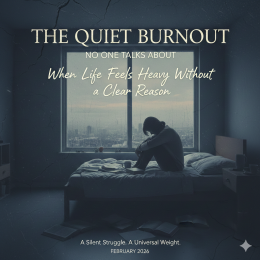
The Quiet Burnout No One Talks About: When Life Feels Heavy Without a Clear Reason
2026-02-02 18:32:48Burnout is often associated with extreme workloads, long hours, or visible exhaustion. But there is another form of burnout that is far less obvious and rarely discussed. It doesn’t always come with dramatic stress or complete breakdowns. Instead, it settles in quietly. Life continues as usual, yet everything feels heavier than it should. Motivation fades, emotions feel dull, and even simple tasks begin to require effort.
This quiet burnout often develops when people keep pushing through emotional fatigue without acknowledging it. Many individuals function on autopilot, meeting expectations while ignoring their inner state. They may not feel overwhelmed enough to stop, but they no longer feel energized enough to fully engage. This in-between state is easy to dismiss, yet it slowly erodes mental well-being.
One reason this form of burnout goes unnoticed is because it doesn’t match the traditional image of stress. People may still be productive and responsible. They show up, meet deadlines, and fulfill roles. But internally, there is a growing sense of disconnection. Joy becomes muted. Rest no longer feels refreshing. The mind stays tired even when the body is not.
Modern lifestyles often contribute to this emotional strain. Constant stimulation, pressure to stay available, and the belief that rest must be earned keep the nervous system in a prolonged state of alertness. Over time, the mind loses its ability to fully relax. This doesn’t always result in anxiety or sadness; sometimes it shows up as numbness, irritability, or a lack of enthusiasm for things that once mattered.
Quiet burnout can also be linked to emotional suppression. When feelings are repeatedly pushed aside in the name of productivity or responsibility, they don’t disappear. They remain unprocessed, gradually creating mental weight. Without space to reflect or express emotions, the mind struggles to reset, leading to chronic fatigue and emotional detachment.
At CIIMHANS, we often see individuals who cannot identify why they feel low or drained. They believe something must be wrong with them because there is no obvious cause. In reality, quiet burnout is not a personal failure. It is a signal that the mind has been under pressure for too long without enough care.
Healing begins with recognition. Allowing yourself to acknowledge emotional tiredness without needing a dramatic reason is an important step. Creating small moments of pause, reconnecting with meaning rather than constant output, and seeking support can help restore balance. Professional mental health support can offer clarity and guidance, especially when burnout feels confusing or persistent.